
Insurance for YouTubers and Content Creators | Peter Vickers Insurance Brokers
By Peter Vickers Insurance Brokers | YouTubers, Content Creators, liability insurance, Australia, Our Blog |
Going Viral Is Great. Going Liable Isn’t
7th September 2026
Insurance for YouTubers & Content Creators in Australia
Why a growing audience can create business risk that deserve a closer look.
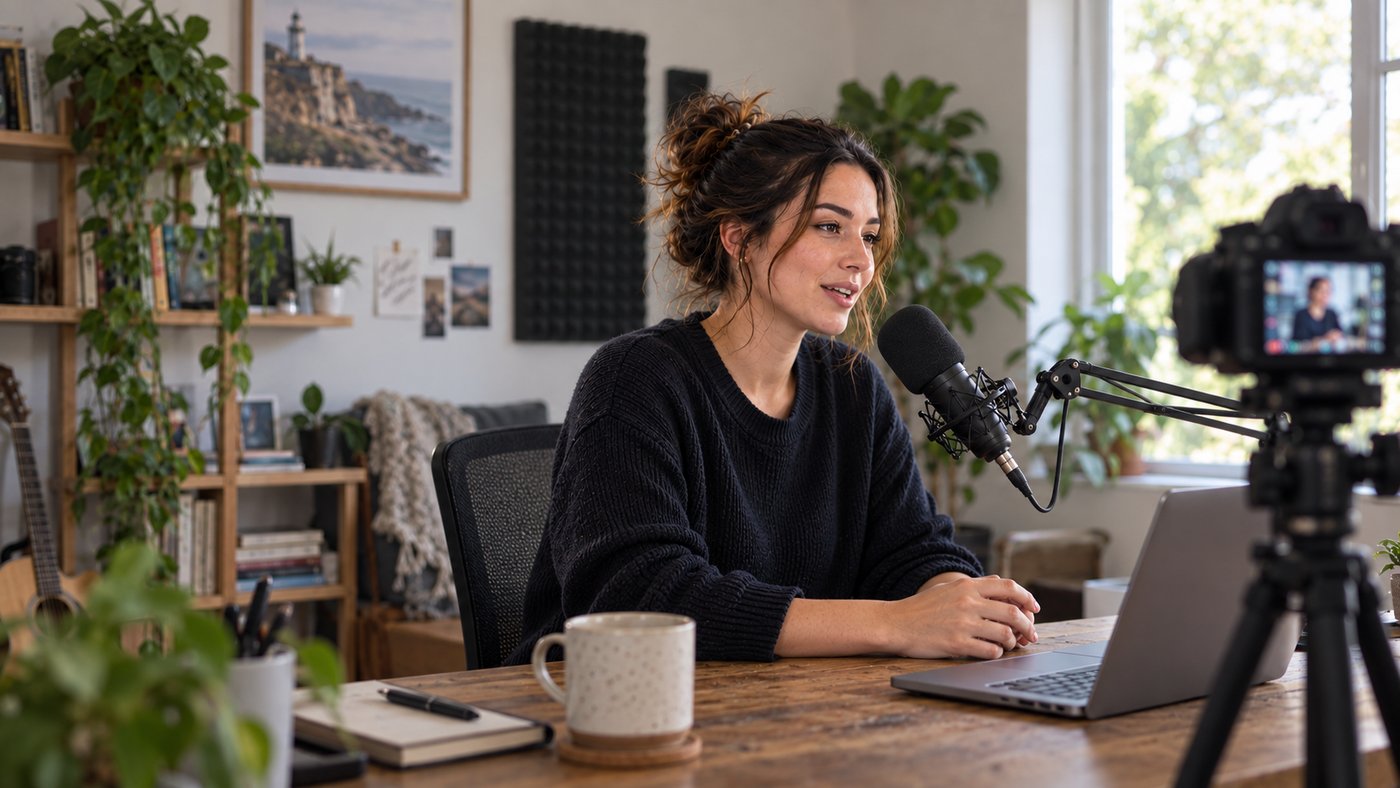
A camera, a laptop and a growing audience can quickly become a real business.
Sponsorships, paid collabs, filming locations, merchandise and subscriber data may create exposures that are very different from those of a casual hobby. One incident, complaint or allegation can be expensive even before liability is established. The important question is not whether a creator is big enough for insurance. It is whether the work being done creates risks that deserve a closer look.
A recent enquiry from a content creator reminded our team how easily insurance can be overlooked while channel is growing. The right discussion begins with the creator’s actual activities – not simply their follower count.
When your channel becomes a business
Many creators begin with a personal interest and gradually build their audience. The risk profile can change when revenue, contracts and third parties become part of the story.
Creators start operating like a business when they:
- Receive advertising revenue, sponsorship fees or collab income.
- Sign contracts with brands, agencies or venues.
- Film in hired studios, retail premises or public places.
- Employ other people such as editors, camera operators or contractors.
- Sell merchandise, courses or event tickets.
- Start collecting payment information of customers or subscribers.
Not every creator needs each type of cover. The purpose of an insurance review is to identify which exposures are actually present & whether the proposed policy covers them.
The Risk Is Not Only The One That Happens On The Lens
Public liability is often the first cover people think of, but it is only one side of the coin. Different policies cover different types of allegations & losses. A basic public liability policy should not be assumed to cover media, professional, cyber, equipment or product related exposures.
- Public liability- While filming in the Real World
PL insurance is designed to respond to certain claims involving third party injury or property damage arising from business activities, subject to policy terms.
For a creator, a claim could potentially arise if a member of the public trips over filming equipment, a camera/light stand damages the venue or an incident occurs during the shoot. Venues, councils, brands and commercial partners may also ask for evidence of cover before granting access or approving a project.
The policy should clearly mention the creator’s activities and where the filming takes place. Undisclosed activities may create problems during the time of claim.
- Cyber & Account Takeover Risk
A creator's login credentials, audience data and digital reputation may be among the business's most valuable assets. Account takeovers, ransomware, phishing, data breaches and accidental disclosure can interrupt income and damage trust.
Cyber insurance may assist with certain incident-response, recovery, interruption and liability costs, depending on the policy. Strong security remains essential: multi-factor authentication, password management, access controls and reliable backups should sit alongside any insurance program.
- Cameras, Laptops & Portable Equipments
Cameras, lenses, microphones, lights, drones and laptops can represent a substantial investment. Standard property cover may not protect equipment while it is taken off-site, used internationally or left in a vehicle.
Portable equipment cover may be worth considering, with attention to the insured locations, accidental damage, theft conditions, worldwide use, limits for individual items and any security requirements.
- Content, advice and media related allegations
The content itself can create a different category of exposure. Depending on the nature of the channel, allegations may involve defamation, copyright infringement, privacy, misleading statements or financial loss said to result from content or advice.
These matters are not automatically covered by ordinary public liability insurance. Specialist media liability or professional indemnity cover may be relevant, but the wording must be examined carefully. The creator's subject matter, use of third-party material, audience location and any advice provided can all affect underwriting and coverage.
Key distinction: Public liability, professional indemnity and media liability are not interchangeable labels. The insuring clauses, exclusions, territorial limits and definitions determine what a policy may cover.
- Advertising and Sponsorship Responsibilities
Paid partnerships, gifted products, affiliate links and sponsored reviews bring advertising obligations. In Australia, the Australian Consumer Law applies to advertising and promotions on social media. Claims must be truthful, accurate and capable of being substantiated, and commercial relationships should be clearly disclosed.
Insurance does not replace careful contracts, approval processes or compliance with advertising rules. It can form part of a broader risk-management approach alongside accurate disclosures, documented brand instructions and a sensible review process before content is published.
- Merchandise & Product Liability
Creators who sell merchandise or other products may face product liability exposure if a supplied product is alleged to have caused injury, illness or property damage. This can be relevant even when a third party manufactures or fulfils the product.
The product type, supplier arrangements, countries of sale and sales volume can affect the cover required. A general policy should not be assumed to extend automatically to every product or market.
Standard Policy. Unexpected Gaps:
Two creators with similar audience sizes can have very different exposures. A travel vlogger, gaming streamer, beauty reviewer, financial educator and family-content channel may each require a different insurance approach.
Before arranging cover, it is worth checking:
- whether the business description reflects all content and commercial activities.
- where the policy applies and which courts or jurisdictions are covered.
- whether filming at events, client sites or overseas locations is included.
- how the policy treats defamation, intellectual property, privacy and professional advice.
- whether contractors, collaborators and related entities are insured.
- whether merchandise, courses, memberships or other products are included.
- which exclusions, sub-limits, excesses and notification requirements apply.
- whether the limit of indemnity meets contractual or venue requirements.
The cheapest policy is not necessarily the best value if it does not match the activities that generate the creator's income.
What a Broker May Ask
A useful broker discussion starts with a clear picture of the business. Creators should be prepared to answer
- The platforms used and the main content topics.
- Annual revenue and income from sponsorships, advertising, affiliates and products.
- Audience locations and any overseas work.
- Where and how filming takes place.
- Whether the content includes instructions, opinions or professional advice.
- The use of music, images, clips or other third-party material.
- Merchandise, courses, subscriptions or live events.
- Staff, contractors and collaboration arrangements.
- Equipment values and travel requirements.
- Previous claims, complaints or circumstances that may give rise to a claim.
Protect The Business Behind the Channel
A successful channel is more than its videos. It may include contracts, relationships, data, equipment, products and a reputation built over years. As those assets grow, so can the consequences of a mistake, accident or allegation.
Insurance cannot remove every risk, but it can help create a more resilient foundation for the business. The right starting point is a conversation about what the creator actually does, where they do it and which losses would be hardest to absorb.
References:
- Australian Government - Types of business insurance
- Australian Competition and Consumer Commission - Social media promotions
- Australian Competition and Consumer Commission - PhotobookShop penalties for influencer reviews
- IP Australia - Understanding intellectual property
- Office of the Australian Information Commissioner - Photos and videos
You can call us on 1300 784 011 or email enquiries@pvib.com.au
Recent
-
Shared Office Space Available
-
Small Business Insurance - How can you solve underinsurance for your Business?
-
Does your Business have enough insurance cover to weather a storm?
-
Cyber Security
-
Calculate the cost of Rebuilding your Home or update your Home Contents Insurance cover
-
Protect your Business with Business Interruption Insurance included in your Property Insurance Policy.
TALK TO US FOR THE RIGHT ADVICE
Categories
- 2026
- Accounting
- Audit of SMSF's
- Australia
- Blog
- Budget Announcement
- COVID-19
- Case Study
- Content Creators
- Cyber Security
- Dentists
- Director ID Deadline
- Director ID number
- Director ID resources
- Doctors
- EOFY in review
- Fleet
- General
- Insurance
- Insurance Case Studies
- Insurance Case Study
- Investment
- Investment Philosophy
- Lindfield Superfunds Investment Trust
- Lindfield super fund
- Managing Finances for Elderly Parents
- Medical Practice Owners
- NSW COVID 19 Business Support Packages 2021
- NSW COVID business packages help
- NSW land tax
- Nale
- New Business Insurance
- New busienss acquire
- News
- News Highlights
- Office Space Available
- Our Blog
- PVBG office update
- SMSF
- SMSFs
- STP
- Serving Northern beaches Sydney
- Super and Investment
- Tax Planning
- Taxation
- Trades insurance
- Trust account records
- Windsor Accounting
- Year End
- YouTubers
- accounting advice
- accounting advice in the hawkesbury
- accounting and bookkeeping services
- accounting software
- aged care
- aging parents finances
- annual insurance policy review
- are you underinsured
- ato scam
- bookkeeper Windsor
- bookkeeping Richmond
- borrowers beware
- business
- business insurance
- business interruption
- business interruption insurance
- buying or selling a business advice
- charity
- commercial property insurance
- communication
- comprehensive life insurance services
- coronavirus
- cyber attack
- cyber crime
- cyber fraud
- cyber insurance
- cyber insurance for business
- cyber security
- cyber security advice
- data breach
- death and taxes
- directors numbers
- environmental pollution liability insurance
- event
- events
- finance
- financial advice
- financial advice and planning
- financial advice as you age
- financial advice longevity
- financial counselling
- financial planning
- fire safety plan
- fire season safety
- flood insurance
- healthcare
- healthcare accounting
- healthcare professionals
- home and contents insurance quote
- home building insurance calculator
- home business insurance
- income
- inflation
- instant asset write off
- insurance
- insurance broker
- insurance broker lindfield
- insurance claims
- insurance emergency contact numbers
- insurancethebasics
- investment advice
- investment cycles
- la nina
- land tax
- land tax australia
- land tax deadline nsw
- land tax nsw
- late tax returns
- liability
- liability insurance
- life insurance
- life insurance services
- lindfield superannuation fund
- management liability
- managing finances
- managing finances for retirement
- managing your money as you age
- medical practice accounting
- medical professionals accounts
- natural disaster plan
- negative gearing
- payroll
- peter vickers business group
- product liability insurance
- professional indemnity
- property cycles
- property indemnity insurance
- public liability
- public liability for small business insurance
- public liability insurance
- rebuilding insurance calculator
- retirement
- selling your business
- setting up a business in Australia
- setting up a company in Australia
- single touch payroll
- small business
- small business company tax rates
- small business insurance
- smallbusinessinsurance
- smallbusinessinsurancedisasterplan
- smsf audits
- sponsorhsip
- sponsorship
- storm and flood damage
- super
- superannuation
- tax
- tax advice
- tax returns hawkesbury
- tax scams
- tax tips
- taxable payments
- taxation
- the share market
- tips for staying safe while travelling
- tool insurance
- tracking small business expenses
- tradesman insurance quote
- tradesmans insurance
- travel insurance
- trust account audit
- trust fund
- trust fund auditors
- trust fund examiners
- underinsurance
- vaccination
- why use a broker
- why use an insurance broker
- wild weather insurance
- wills
- windsor office
- xero and cloud accounting
- year end tax planning strategies
SERVICES
SUBSCRIBE
Join our newsletter subscription
SYDNEY
Suite 2/345 Pacific Highway,
Lindfield, NSW 2070
T: 61 2 9496 2300
services@pva.com.au
Peter Vickers Insurance Brokers
Suite 2/345 Pacific Highway
Lindfield NSW 2070
T: 1300 784 011
enquiries@pvib.com.au
Follow us on Social Media @pvbglindfield

© Copyright 2021 VICKERS BUSINESS GROUP Pty Ltd | Our Privacy Policy | PVA - Terms and conditions

Chartered Accountants: Liability Limited by a Scheme under the Professional Standards Legislation - AFSL 229302 | Peter Vickers & Associates Pty Ltd ACN 003466813 | Peter Vickers Insurance Brokers Pty Ltd AFSL 229302 ACL 229302 ACN 074 294 081
Peter Vickers Insurance Brokers is part of the Steadfast broker network.